Detroit applicants can sharpen a broad search by comparing actual work addresses, shift times, and transferable skills. Use this guide to turn a large regional market into a manageable weekly plan.
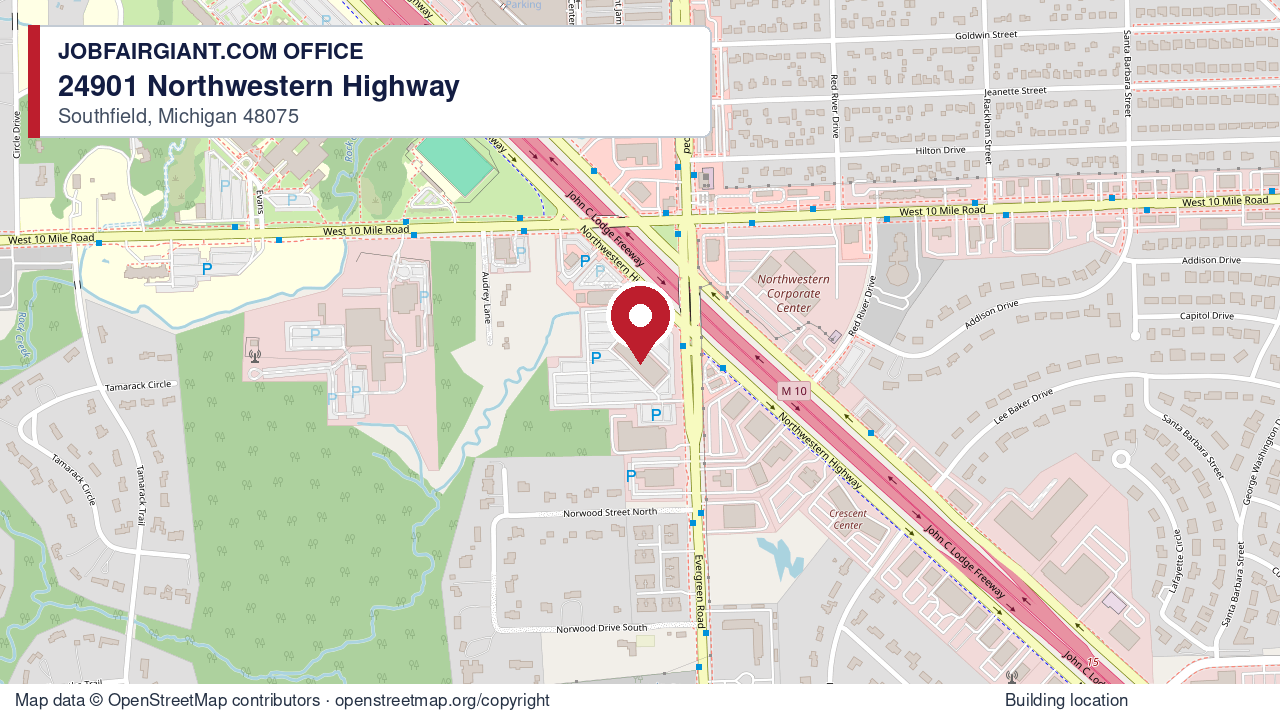
Southfield applications often require careful comparison of work location, service duties, and employment terms. Build a focused employer shortlist, then use the regional job fair to ask better questions.
Warren job seekers can make industrial applications more precise by describing equipment, quality checks, and shift experience. Compare production, technician, and maintenance requirements before paying for a new credential.
Dearborn applicants can encounter very different hiring processes across education, healthcare support, customer service, and industrial work. Match your application materials to the work setting and confirm the correct employer.
Livonia applicants can improve their search by separating worksite geography from employer branding. Compare the tasks, training, and travel requirements of industrial, distribution, maintenance, and office support roles.
Troy office applications deserve a close reading of employment arrangements and performance expectations. Compare contract length, hybrid attendance, training, and sales duties before treating similar titles as equivalent opportunities.
Novi job seekers can use retail, hospitality, and event experience to demonstrate coordination and service skills. Compare schedule stability and transferable duties when deciding between frontline work and an operational role.
Farmington Hills applicants can make office and healthcare support searches more effective by showing accurate documentation, scheduling, and problem handling. Compare the work setting and privacy responsibilities before choosing a role.
Pontiac applicants considering public service should distinguish city, county, nonprofit, and contractor employment. Compare application instructions, work locations, and eligibility before investing time in a lengthy hiring process.
Sterling Heights applicants can make manufacturing searches more effective by separating operation, inspection, and repair duties. Check the technical evidence, shift demands, and training route each position actually requires.
Roseville applicants can turn retail and counter-service experience into evidence for scheduling, service advising, and order support. Compare sales pressure, technical knowledge, and commute requirements before choosing your next role.
Royal Oak applicants should compare the full working day behind hospitality, retail, and reception roles. Examine opening and closing duties, transportation, income structure, and opportunities to build supervisory or administrative experience.
Madison Heights applicants may encounter roles combining customer service, inventory, administration, and practical operations. Clarify the main responsibility, training, and limits of a broad position before deciding how it fits your experience.
Rochester Hills applicants can improve campus and professional-support searches by checking eligibility, employment duration, and the exact reporting location. Build evidence around documentation, coordination, and helping people navigate a process.
Auburn Hills applicants researching supplier and technical-office work should compare project duties, customer contact, and contract terms. Show what you contributed personally, then check the reporting site and any travel requirements.
Taylor applicants can make distribution searches more precise by comparing the product flow, equipment, and shift at each facility. Verify the actual work address and training expectations before accepting a warehouse assignment.
Southgate applicants exploring care-related workplaces should separate administrative support from hands-on clinical duties. Compare qualifications, patient contact, scheduling, and training before deciding which opening fits your experience and availability.
Romulus airport-area searches require more than a terminal destination. Compare the actual employer, worksite access, screening process, and shift so you can judge the daily routine before accepting an assignment.
Canton applicants can use the Ford Road business corridor as a research starting point while comparing actual duties, hours, and travel. Build a search around the schedule you can consistently maintain.
Westland applicants returning after time away can build a focused search with clear availability and recent evidence of useful skills. Compare schedule predictability, training, and commuting before accepting the first suitable-sounding title.
Redford Township applicants can widen their options by comparing reachable worksites across nearby communities. Keep the job family consistent, verify the exact address, and judge each opportunity against a repeatable daily journey.
Ypsilanti applicants can organize a search around practical routes, shift times, and exact work addresses. Compare city, township, and Ann Arbor opportunities using the journey you can repeat on working days.
Ann Arbor applicants can reduce wasted effort by matching each application to its job identifier, qualifications, work mode, and employment duration. Compare campus, healthcare, and professional roles through the actual duties and worksite.
Flint applicants moving between industries can start with the skills they already use: accurate records, dependable processes, equipment awareness, and customer problem solving. Compare realistic entry points and transportation before investing in retraining.
Turn a busy job fair into a manageable set of conversations. Choose your priorities, prepare useful materials, and leave with specific next steps you can act on afterward.
A short introduction gives a recruiter enough context to start a relevant conversation. Build yours around a job goal, one piece of evidence, and a clear question.
Use your time at a recruiter table to learn what a posting cannot tell you. Ask focused questions about the work, requirements, schedule, and hiring process.
A useful follow-up helps a recruiter connect your name with a real conversation. Mention the role, complete any requested application, and make one simple request for next steps.
A virtual fair combines event navigation with short online conversations. Test the platform, organize your materials, and prepare a backup so technology does not consume your recruiter time.
Two offers can look similar until you compare schedules, benefits, travel, and expectations. Use the same questions for both so your decision reflects the work you will actually do.
Make your resume easy to read on screen and easy to review after upload. Start with a simple structure, then check how your actual application system interprets the file.
You can show useful evidence before you have a long work history. Build a first resume from coursework, projects, volunteer work, and responsibilities you can explain honestly.
Prepare a clear explanation for time away from paid employment. Keep the dates accurate, choose the level of detail you want to share, and connect the conversation to your readiness.
A career change becomes clearer when you connect old responsibilities to new tasks. Identify the overlap, gather evidence, and distinguish transferable experience from skills you still need to learn.
An achievement does not need a dramatic number. Show the task, your contribution, and a result you can defend so a recruiter understands why your experience matters.
Use the employer’s language to make relevant qualifications easier to recognize. Identify meaningful terms, connect each to real evidence, and avoid copying a posting into your resume.
A reference conversation is more useful when the person knows the role and remembers your work. Ask permission, verify contact details, and share a concise, accurate briefing.
A focused cover letter can explain why your experience fits a particular opening. Use a short structure, one concrete example, and a closing that respects the employer’s application process.
Give an interviewer a useful opening by connecting your current experience, one relevant example, and the work you want next. Prepare a flexible answer that invites follow-up.
Prepare examples for behavioral questions by separating the situation, task, action, and result. Give most of your answer to what you did and what you learned from it.
Prepare a factual answer about leaving a job that explains your decision and connects to the opportunity. Keep the response professional, specific, and consistent with your work history.
Your questions can reveal how a role works day to day. Ask about priorities, support, expectations, and the hiring process so you can make a more informed decision.
A video interview needs preparation for both the conversation and the connection. Use a staged checklist to test your setup, organize evidence, and manage interruptions calmly.
A phone interview often moves quickly through qualifications and practical details. Prepare your setting, your strongest examples, and the questions that determine whether the next step makes sense.
A useful pay conversation starts before a number is discussed. Research comparable work, understand the compensation terms, and decide which questions and requests matter most to you.
Searching while employed requires planning for time, privacy, and reliable follow-through. Set a realistic routine, organize materials on your own accounts, and manage interview availability carefully.
A convincing job message can still be fraudulent. Pause, verify the employer independently, and examine what the sender wants you to do before you share information or accept instructions.
Remote work describes where work happens, but a posting may still limit approved locations or require specific hours. Check those details before investing time in a long application.
Entry-level labels vary, so evaluate what a role actually asks you to do. Match essential requirements to your evidence and look closely at the training the employer provides.
An apprenticeship can combine employment and structured learning. Check the program’s status, application process, pay progression, instruction schedule, and completion requirements before deciding whether it fits your goals.
Healthcare support titles can involve very different tasks, settings, and preparation. Research the actual occupation and employer requirements before choosing a course or applying to a role.
Manufacturing roles vary by equipment, product, pace, and shift. Prepare questions that reveal the actual assignment, how training works, and what schedule the employer expects you to maintain.
Logistics work can mean warehouse handling, dispatch, local delivery, or commercial driving. Identify the exact role, then check route, schedule, credentials, equipment, and compensation details.
A skilled-trades plan starts with a specific occupation and a realistic view of the work. Compare duties, entry routes, training arrangements, and local requirements before selecting a program.
AI can help reorganize a rough resume, but you remain responsible for every claim. Compare the draft against your records and correct changes that make your experience sound different.
A useful weekly plan balances finding openings, preparing applications, talking with people, and learning from results. Schedule actions you control and review what needs to change each week.
A useful job advertisement helps a person understand the work, assess the practical details, and take the next step. Build the listing around decisions candidates actually need to make.
Pay and working hours shape whether an opening fits someone's life. Present approved compensation and scheduling details clearly so early conversations can focus on the work and mutual expectations.
A campaign for several locations needs shared standards and accurate local details. Organize openings around the places people will work, then route each application to an accountable hiring contact.
A productive booth starts with clear openings, prepared recruiters, and a manageable next step. Plan the candidate experience from the first greeting through the follow-up that happens after the event.
A short scorecard can make recruiting conversations easier to compare and hand off. Define the evidence you need for the role, then record what the candidate actually described.
Candidate follow-up works best when it continues the conversation you already started. Turn event notes into clear messages, realistic interview invitations, and an accurate view of where every contact stands.
A hiring campaign needs a small set of useful measures and a shared definition of progress. Track the steps your team can influence, then use the results to improve the process.
Candidates can lose their place, encounter unclear instructions, or wait without knowing what comes next. Review the application journey as a series of tasks, then remove the obstacles you can observe.
Restaurant openings become easier to explain when candidates can picture the station, service pattern, and training. Build recruitment around the actual shift and the teamwork that makes service run smoothly.
Retail hiring needs more detail than a friendly personality and open availability. Explain the customer work, stock routines, scheduling pattern, and training so applicants understand the full role before an interview.
Manufacturing candidates need to understand the process, shift, site, and learning expectations. Make the opening concrete by describing the work and the support available as someone learns your production environment.
Healthcare support openings vary widely in duties, credentials, setting, and schedules. Describe the specific role carefully so candidates understand the work, the required preparation, and the support provided when joining.
Skilled trades candidates need to know the trade, project setting, travel, and level of responsibility. Build an opening around the work your team needs rather than a broad request for experience.
Logistics hiring covers distinct jobs with different equipment, qualifications, and working patterns. Give candidates a precise account of the route or facility work, pay structure, schedule, and training at the start.
Office and customer support titles can hide very different workloads. Explain the communication channels, systems, scheduling expectations, and everyday decisions so applicants can understand the role and demonstrate relevant skills.
An entry-level opening should make the starting point visible. Identify the skills the work needs now, the knowledge your team will teach, and a fair way for candidates to demonstrate relevant ability.
Military titles may be unfamiliar to a civilian hiring team. Build a shared understanding of the work by exploring tasks, tools, responsibility, and learning, then compare those details with the opening.
Military spouses bring individual skills and work histories that deserve careful review. Make the opportunity understandable, consider relevant experience across settings, and discuss the actual working arrangement without making assumptions about someone's plans.
Clear recruitment messages help candidates understand the opportunity and the next action. Review wording, format, contact routes, and event instructions so people can participate without untangling avoidable communication barriers.
Employees can share openings more accurately when they have a short, current brief and a straightforward referral route. Plan the campaign around useful introductions, consistent review, and dependable candidate follow-up.
A recruitment video can make the work easier to picture when it presents useful details quickly. Write a simple script, show the actual setting accurately, and give viewers a clear application route.
An employer brand becomes useful when candidates can connect its promises to everyday work. Start with specific practices, confirm the evidence behind each claim, and keep the message aligned with the actual opening.
The first week should turn recruitment promises into a clear working routine. Prepare the people, access, training, and check-ins that help a new employee understand the job and know where to ask questions.
A modest posting budget works best with a prepared role description and dependable follow-up. Use a defined 30-day campaign to publish one clear opening, review candidate activity, and learn what to improve.
JobFairGiant Editorial Desk · October 17, 2026
No guides match this search. Try a broader phrase or another topic.
WATCH. LEARN. MAKE YOUR MOVE.
Michigan hiring, in motion.
See career conversations and event videos. Then explore today’s opportunities.
Michigan Skilled Trades Job Fairs Welcome Military Families and Skilled Trades Workers
Watch on YouTube ↗ · AI-illustrated cover. Historical video; check current event details.
Penske Vehicle Services Hiring In Troy and Auburn Hills Michigan
Watch on YouTube ↗ · AI-illustrated cover. Historical video; check current event details.
Keep up with JobFairGiant across your favorite channels.
Videos load when selected. Third-party platforms control playback and may require sign-in.
EMPLOYERS FEATURED ON JOBFAIRGIANT.COM
Recognizable employers. Michigan career connections.
Explore the employers featured on our current website. Bring your company to an upcoming job fair.
StellantisWayne County GovernmentASM GroupPenske Vehicle ServicesFive Star Bath SolutionsPrime Healthcare MichiganLending ForceGlobal Information TechnologyNino Salvaggio International MarketplaceWashtenaw County Community Mental HealthAmerican House Senior LivingCovenant ConstructionBuddy’s PizzaTradeFirst.comPACE Southeast MichiganSevita
Featured employer graphics are retained from our current homepage. Contact our team to confirm participation at a specific event.
Requesting details does not reserve a booth. Our team will confirm registration, package pricing and availability. The $20 online job posting is a separate service.